Whitepapers

Our engineers wrote these papers on federal compliance and the engineering behind it. Each one reads here in full, and as a PDF.

Papers

Filter by topic

All 5 papers

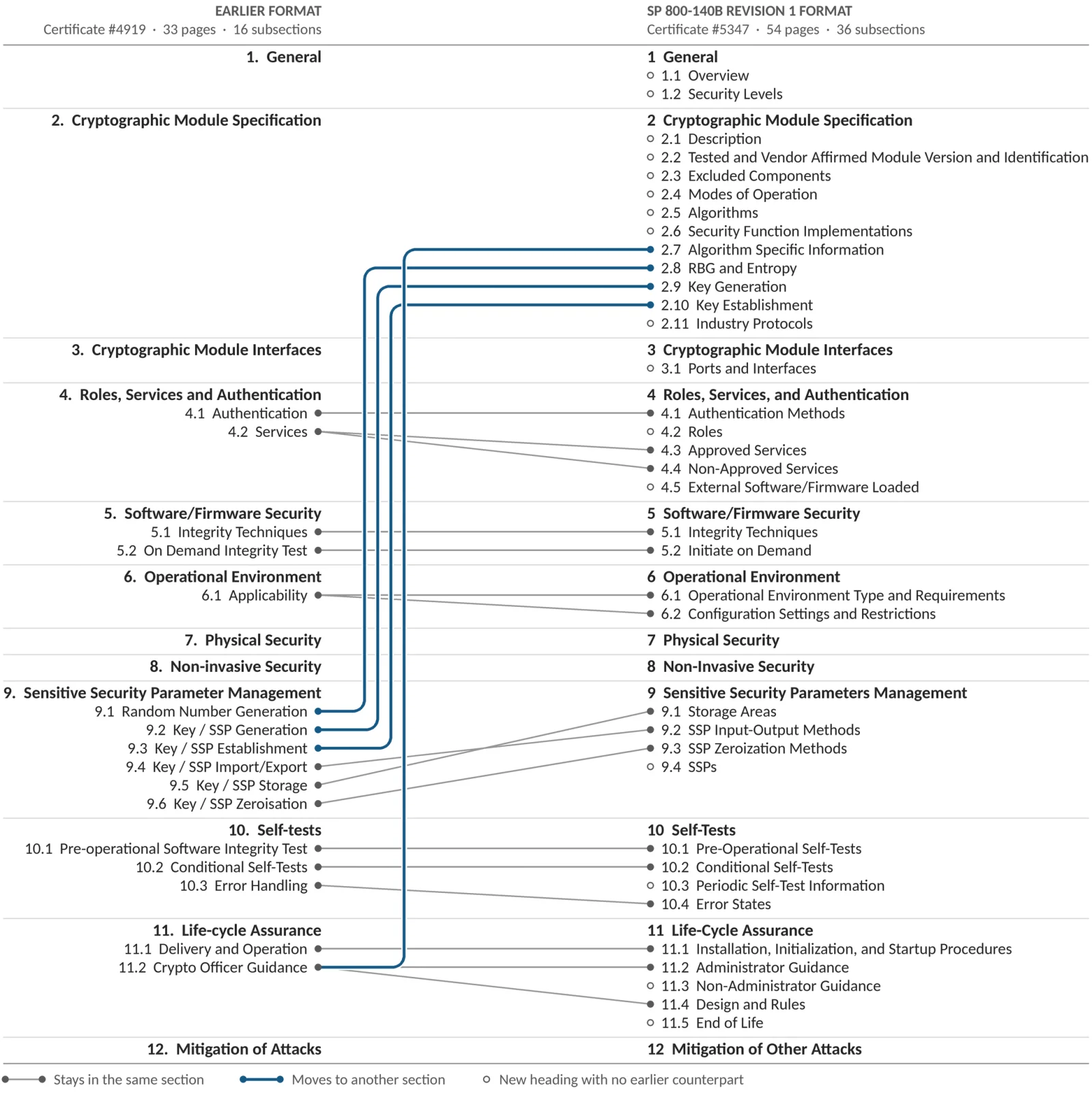
Two-column diagram. The left column lists the contents of the earlier-format policy for certificate #4919 and the right column lists the contents of the Br1 policy for certificate #5347. The twelve top-level sections align. Lines link earlier subsections to Br1 subsections. Random Number Generation, Key / SSP Generation and Key / SSP Establishment move from section 9 to sections 2.8, 2.9 and 2.10, and Crypto Officer Guidance links to section 2.7 as well as sections 11.2 and 11.4. Sixteen Br1 headings have no earlier counterpart.
Figure 7: the same Apple policy’s contents before and after conversion.
Cryptography

Navigating CMVP Security Policy Requirements

The common security policy template introduced through NIST SP 800-140B Revision 1: how a policy is now assembled, why some active FIPS 140-3 validations retain earlier formats, and published policies from Apple, Microsoft and Red Hat compared.
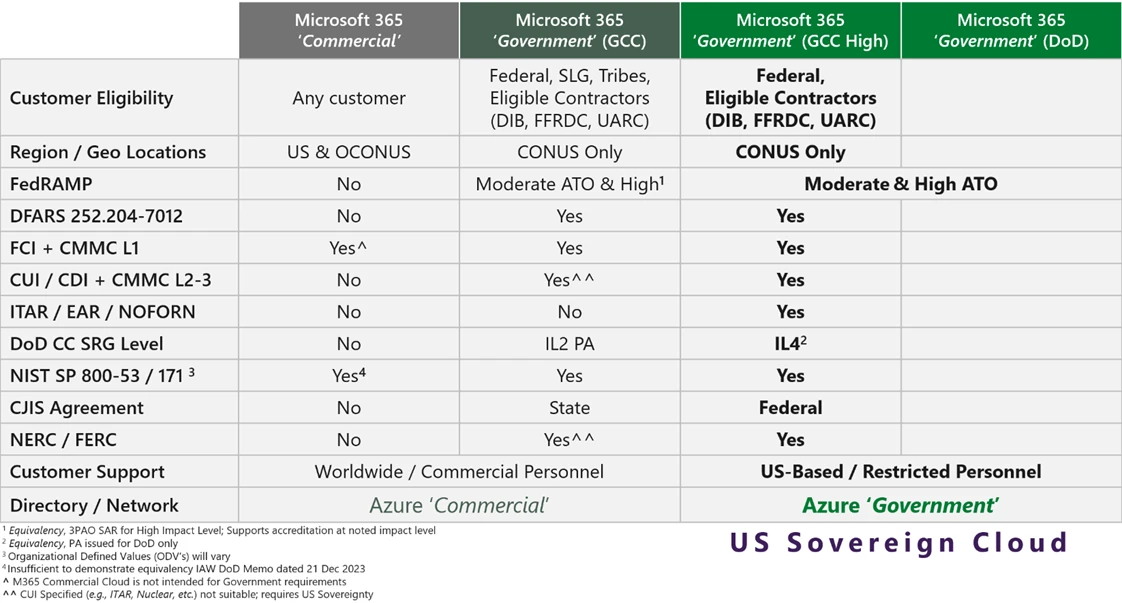
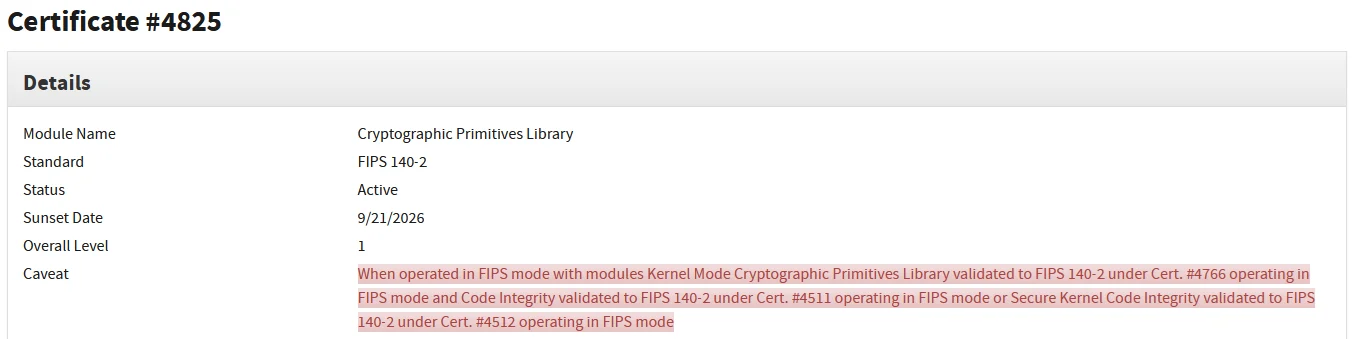
A NIST Cryptographic Module Validation Program certificate.
A CMVP validation certificate.
Cryptography

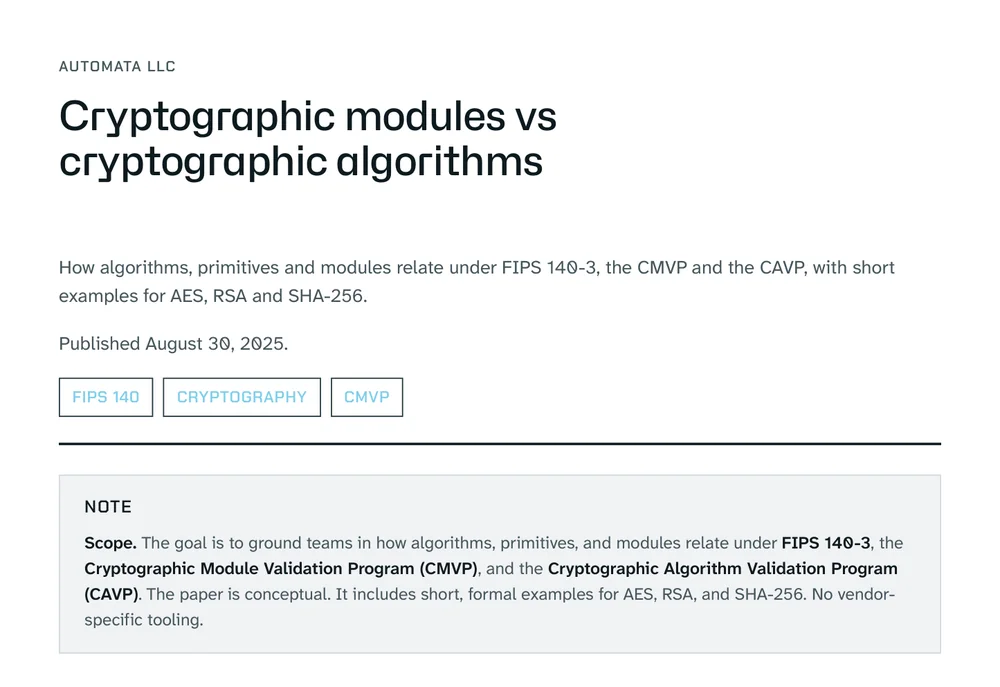
Introduction to FIPS 140-2 and FIPS 140-3

Federal agencies and cloud service providers must run any encryption that protects federal information in a module validated under NIST’s Cryptographic Module Validation Program (CMVP). A strong algorithm such as AES or SHA-256 is not enough on its own.

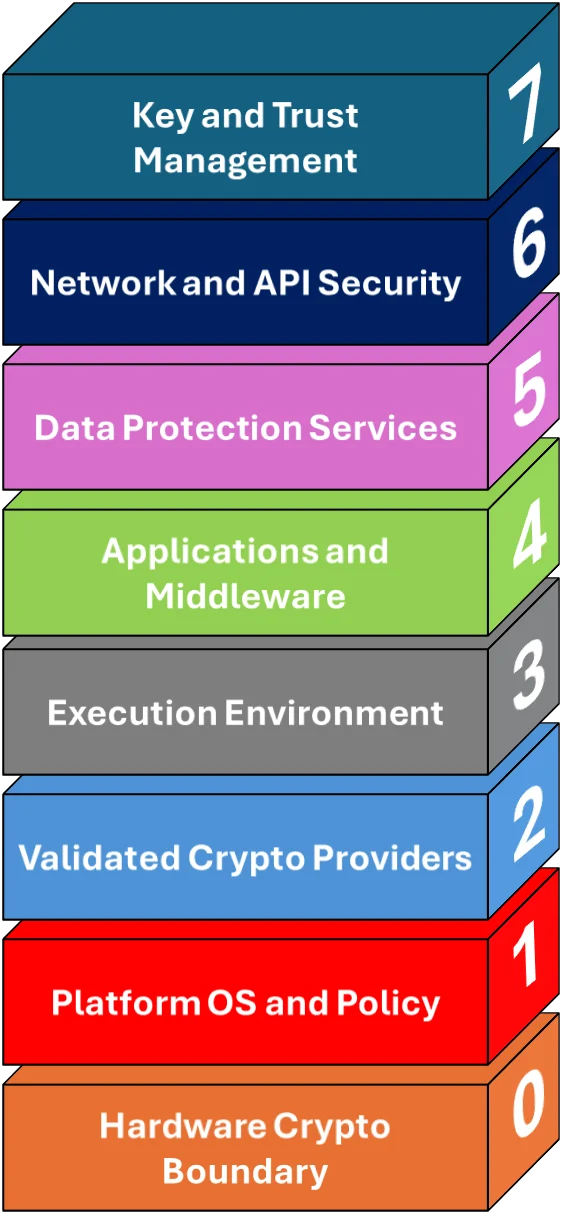
The AFIPS stack, layers 0 to 7, from the hardware crypto boundary at the bottom to key and trust management at the top.
The AFIPS stack, layers 0 to 7.
Cryptography

The Automata FIPS (AFIPS) Model

A repeatable structure for mapping FIPS 140 validated cryptography onto real systems: how cryptography is selected, enforced and evidenced across operating systems, validated modules, runtimes, applications, data services, networks and key management.

Suggest a topic

Tell us which control or standard you want explained.